
Why Are So Many People Exhausted, Anxious and Burnt Out? Understanding What’s Really Happening
We are seeing more people than ever presenting with reduced energy, anxiety and burnout — across every age group and stage of life. This is no longer confined to high-pressure professions or major life crises. It’s showing up in teenagers, parents, business owners and retirees alike.
But burnout isn’t simply about being busy. Anxiety isn’t just worry. And reduced energy isn’t laziness.
These are signs of a nervous system that has been under sustained load for too long.
In this article, we explore what these conditions actually feel like — emotionally, physically and mentally — what is happening inside the brain, and why modern life is making us more vulnerable than ever. Most importantly, we look at what helps restore balance.
Burnout Isn’t One-Size-Fits-All: Here’s What You Need to Know
Burnout is more than feeling tired after a busy week. It is a recognised response to prolonged, unmanaged stress that can affect physical health, mental wellbeing, and workplace performance. While commonly associated with heavy workloads, burnout develops from a complex interaction between pressure, lack of control, emotional demands, and insufficient recovery. It does not look the same for everyone — and understanding its early signs is key to preventing long-term health consequences. At Global Health, we take a comprehensive approach to identifying, managing, and supporting recovery from burnout.
Supporting Adrenal Health: Practical Lifestyle Strategies for Stress Management

Ongoing stress can place significant strain on the body’s adrenal system, affecting energy levels, sleep, mood, and stress tolerance. While there is no single solution, supportive lifestyle strategies play a key role in restoring balance and resilience. This article outlines practical, evidence-informed approaches—including stress management, gentle movement, nutrition, and sleep habits—to help reduce stress load and support adrenal health in a sustainable way.
Women, Rest, and the Art of Letting Go of Guilt

Modern women are burning out trying to do it all — caring for families, homes, and careers while feeling guilty for resting. In this empowering piece, Lisa Edmondson, Women’s Hormone and Health Lead at Global Health Clinics, explores why rest isn’t a luxury, it’s a necessity. Discover why slowing down supports your hormones, reduces stress, and restores balance — and why every woman deserves to rest without guilt.
Do You Really Need Coffee – Or Is It Adrenal Fatigue? | Global Health Auckland

Feeling tired and relying on coffee to get through the day? Learn how adrenal fatigue affects your energy, why caffeine may make it worse, and how Global Health in Takapuna, Auckland, can help restore natural vitality and balance.
How to Overcome Adrenal Fatigue & Chronic Fatigue Syndrome (CFS) – Expert Care from Global Health in Takapuna, Auckland or online
Overcome adrenal fatigue and chronic fatigue (CFS) with advanced testing, personalised treatment, and holistic recovery programmes at Global Health Clinics, Takapuna, Auckland. Expert care to restore energy, balance hormones, and boost immunity.
Adrenal Fatigue & Chronic Fatigue (CFS) – Understanding, Testing, and Recovery in Auckland
Discover expert adrenal fatigue and chronic fatigue (CFS) treatment in Takapuna, Auckland. Global Health Clinics offers advanced testing, personalised care, and proven recovery programmes to restore your energy and vitality.
ADHD in Men and Women: Understanding the Key Differences | Global Health Takapuna Auckland NZ
Discover how ADHD presents differently in men and women, and why many women are diagnosed later in life. Written by Lisa Edmondson, Global Health Takapuna Auckland NZ.
Are We Ignoring Biology? How Changing Roles May Be Impacting Modern Health
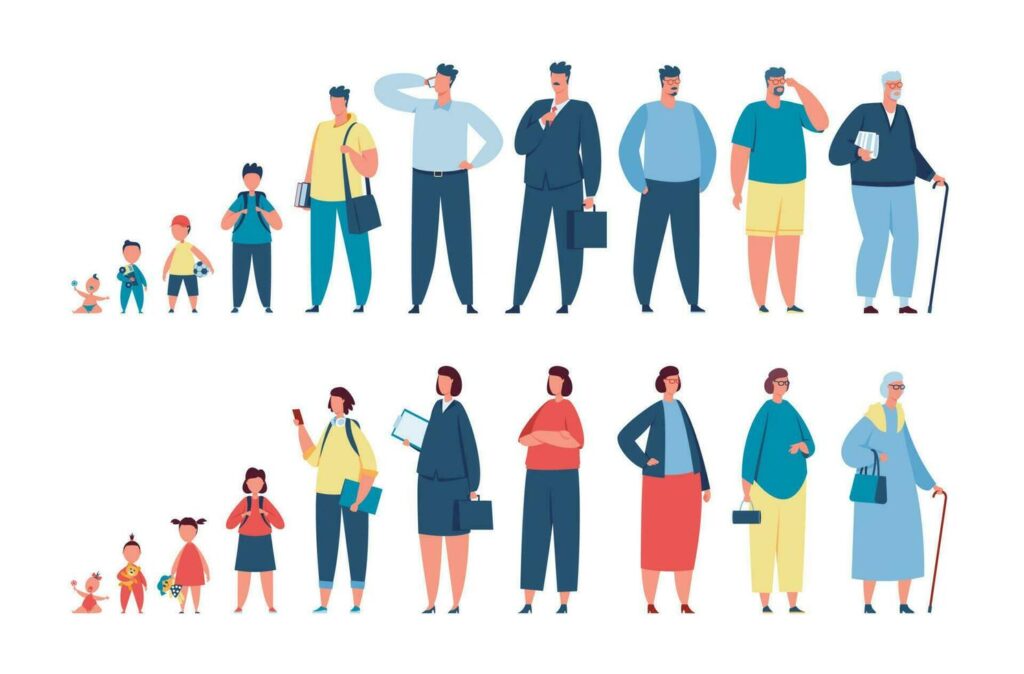
Are modern roles mismatched with our biology? Explore how changing lifestyles may be impacting hormones, health, and rhythm – and what we can do to restore balance.
Why More Women Are Struggling With Hormones, Emotions & Energy – And What You Can Do About It

More women are struggling with hormones, fatigue, and emotions. Discover why it’s rising and how Global Health Takapuna takes a root-cause approach to healing.