
Hormones: The Tiny Messengers Running Your Body

We blame hormones for almost everything.
Feeling emotional? Hormones.
Can’t lose weight? Hormones.
Not sleeping well? Hormones.
Brain fog, fatigue, constant hunger? Yep… hormones again.
But here’s the thing — hormones aren’t the enemy.
They are actually tiny chemical messengers that quietly run many of the most important systems in our body. From metabolism and sleep to mood, appetite and energy, hormones are constantly working behind the scenes to keep everything balanced.
So why do they sometimes seem to work against us?
In this blog we explore what hormones really are, how they work, what they’re made from, why they fall out of balance, and what modern life might be doing to disrupt them. More importantly, we’ll look at practical ways to support our hormones so they can do what they’re designed to do — help our bodies function at their best.
Why Are So Many People Exhausted, Anxious and Burnt Out? Understanding What’s Really Happening

We are seeing more people than ever presenting with reduced energy, anxiety and burnout — across every age group and stage of life. This is no longer confined to high-pressure professions or major life crises. It’s showing up in teenagers, parents, business owners and retirees alike.
But burnout isn’t simply about being busy. Anxiety isn’t just worry. And reduced energy isn’t laziness.
These are signs of a nervous system that has been under sustained load for too long.
In this article, we explore what these conditions actually feel like — emotionally, physically and mentally — what is happening inside the brain, and why modern life is making us more vulnerable than ever. Most importantly, we look at what helps restore balance.
Why Do I Feel So Much? Understanding the Link Between Emotions and the Body

Emotions aren’t just thoughts — they are physical experiences that move through the body. Tight chests, tense shoulders, fatigue, and overwhelm are often signs of a nervous system under strain. Understanding the connection between emotions and the body can reduce self-criticism, build resilience, and support whole-person health.
Burnout Isn’t One-Size-Fits-All: Here’s What You Need to Know

Burnout is more than feeling tired after a busy week. It is a recognised response to prolonged, unmanaged stress that can affect physical health, mental wellbeing, and workplace performance. While commonly associated with heavy workloads, burnout develops from a complex interaction between pressure, lack of control, emotional demands, and insufficient recovery. It does not look the same for everyone — and understanding its early signs is key to preventing long-term health consequences. At Global Health, we take a comprehensive approach to identifying, managing, and supporting recovery from burnout.
Autoimmune Disease in Women: The Stress–Immune Connection

Women represent up to 80% of autoimmune diagnoses. Research increasingly points to chronic stress and immune dysregulation as key contributors. At Global Health, we use epigenetic testing, adrenal support strategies, and personalised lifestyle medicine to help manage symptoms and address root contributors.
There’s a Reason You Don’t Feel Like Yourself Anymore: Understanding Thyroid Health and Mood
Many people experiencing low mood, anxiety, fatigue, or brain fog assume it’s simply stress or burnout. However, an underactive thyroid can significantly affect how your brain produces and uses energy — influencing mood, cognition, and emotional resilience. While thyroid medication is often essential, optimal recovery involves more than hormone replacement alone. Supporting brain energy through targeted nutrition, blood sugar stability, sleep, stress regulation, and gut health plays a critical role in helping patients feel like themselves again. A comprehensive approach to thyroid health addresses not just laboratory values, but overall mental clarity, mood stability, and long-term wellbeing.
Why Sleep Quality Matters More Than Sleep Quantity for Thyroid Health

Struggling with sleep and thyroid fatigue? Up to 80% of thyroid patients have sleep issues — but the solution isn’t more hours in bed. Learn how improving sleep quality can support thyroid function by up to 22%.
Digestive Health & SIBO: How Understanding Your Gut Can Change Everything

Digestive symptoms like bloating, abdominal pain, excess gas, diarrhoea, or a constant feeling of fullness are often brushed off as “just a sensitive gut.” But for many people, these symptoms point to something more specific: Small Intestinal Bacterial Overgrowth, commonly known as SIBO. At Global Health, we see digestive health as the foundation of whole-body […]
Trauma & Lymphatic Congestion: The Hidden Link Between Emotional Wounds and Physical Stagnation

Many people living with trauma experience swelling, inflammation, fatigue, or a persistent sense of being “stuck” in their body. This article explores the often-overlooked link between trauma and lymphatic congestion — and how trauma-informed treatment can support both nervous system regulation and physical release.
Understanding Live Blood Analysis and Oxidative Stress Testing
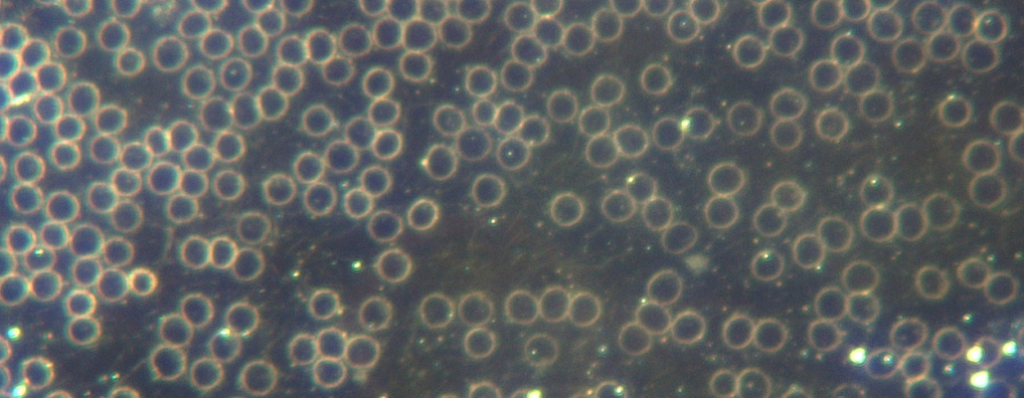
Blood analysis techniques such as live and dry blood analysis have been used in complementary and holistic health settings for many decades. These methods are not diagnostic tests and do not replace standard medical pathology. Instead, they are observational tools that can offer additional insight into a person’s overall health and internal environment. A brief […]