
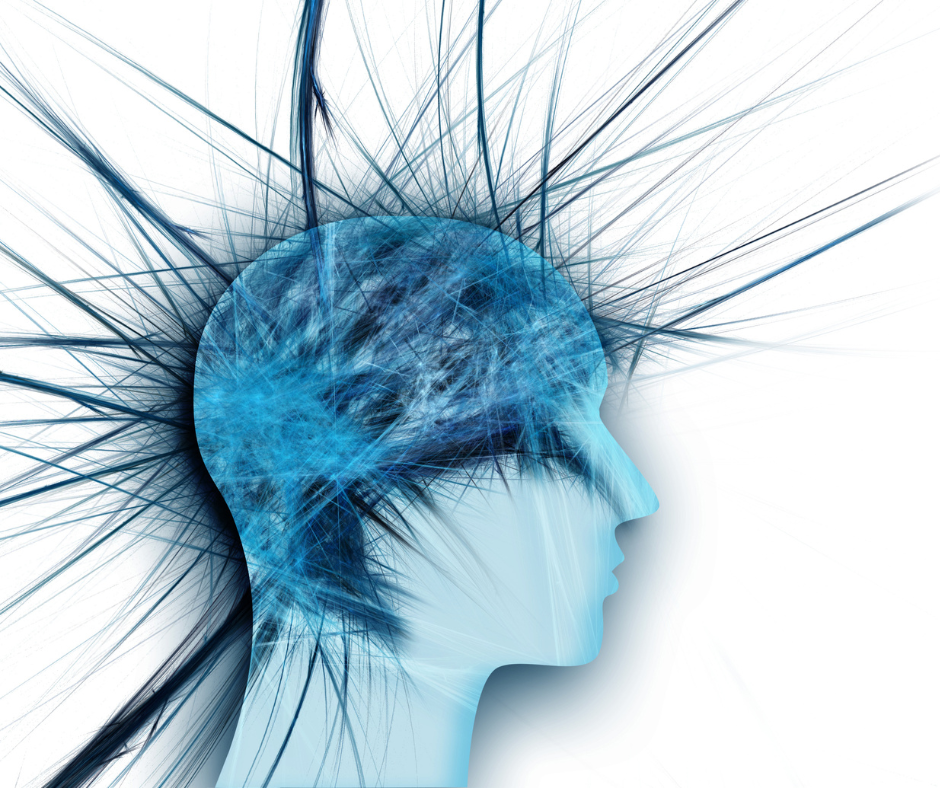
Over the past few years, we’ve seen a rapid rise in people presenting with reduced energy, anxiety, and burnout. What’s striking is not just the numbers — it’s the range. Teenagers. Parents. Executives. Healthcare workers. Retirees. No demographic has been spared.
This is no longer a niche mental health issue. It’s a human issue.
So what is happening?
What Burnout, Anxiety and Reduced Energy Actually Feel Like
Burnout isn’t just “being tired.” It feels like waking up already depleted. Tasks that once felt manageable now feel overwhelming. Small decisions feel heavy. Motivation disappears.
Anxiety isn’t just worry. It can feel like a constant hum in the background of the nervous system — tight chest, racing thoughts, difficulty relaxing even when nothing is wrong.
Reduced energy isn’t laziness. It’s a deep cellular fatigue. People describe feeling “flat,” “wired but tired,” or unable to fully recharge even after sleep.
Emotionally, many people feel detached, irritable, or numb.
Mentally, concentration drops, memory becomes patchy, and decision-making slows.
Physically, we see headaches, digestive issues, muscle tension, poor sleep, and frequent illness.
And this doesn’t just affect the individual. It affects families, workplaces, relationships, and communities.
What Is Happening in the Brain?
At a biological level, chronic stress changes how the brain functions.
When we are under prolonged stress, the amygdala (the brain’s threat detector) becomes more active. The prefrontal cortex (responsible for planning, emotional regulation, and rational thinking) becomes less effective. The hippocampus (involved in memory) can shrink in volume over time with ongoing cortisol exposure.
In simple terms, the brain becomes better at detecting threat and worse at switching off.
Our nervous system gets stuck in sympathetic dominance — “fight or flight.” Over time, this leads to hormonal disruption, inflammation, neurotransmitter depletion, and impaired energy production at a cellular level.
From a physiological standpoint, burnout is not weakness. It is an overloaded nervous system.
Why Are We Seeing More of It Now?
Modern life has fundamentally changed faster than human biology can adapt.
We are exposed to:
- Constant digital stimulation
- Continuous comparison via social media
- 24-hour news cycles
- Increased economic pressure
- Reduced true rest
- Less time in nature
- Fragmented community connection
From a broader systems perspective — even stepping briefly into a quantum lens — we can view humans as energetic systems interacting with an increasingly high-frequency, fast-paced environment. Our nervous systems evolved for intermittent stress followed by recovery. Instead, we now experience chronic micro-stressors without meaningful downtime.
Our biology has not caught up with our technology.
The result is nervous systems that rarely reset.
Is There a Simple Answer?
There is no single pill or quick fix.
However, there is a simple principle: the nervous system must feel safe to heal.
Prevention and recovery revolve around restoring regulation. That includes:
- Deep, consistent sleep
- Nourishing food
- Movement that regulates rather than exhausts
- Meaningful connection
- Time in nature
- Boundaries around digital exposure
- Psychological safety at work and home
When we reduce total load — physiological, emotional and cognitive — the brain begins to recalibrate.
Healing is not about pushing harder. It’s about restoring balance.
At Global Health, we approach reduced energy, burnout and anxiety as whole-system issues. Not just mental health. Not just lifestyle. But a complex interaction between brain, body, environment and meaning.
Because people are not broken.
They are overloaded.