
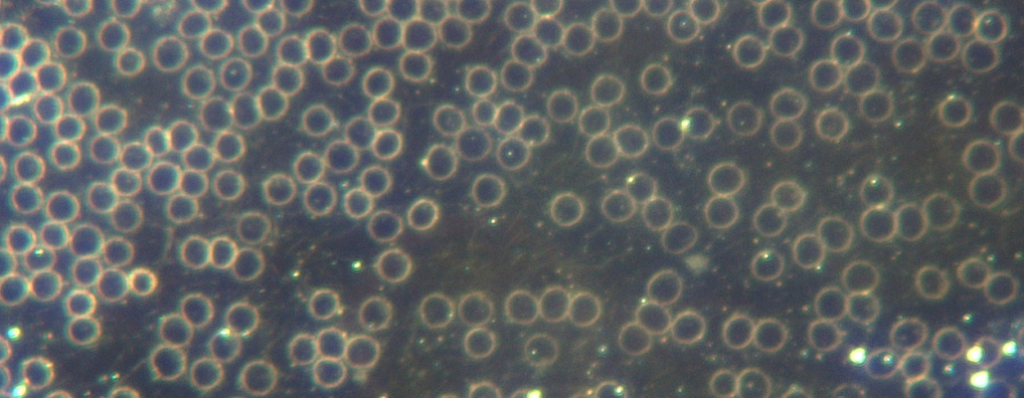
Blood analysis techniques such as live and dry blood analysis have been used in complementary and holistic health settings for many decades. These methods are not diagnostic tests and do not replace standard medical pathology. Instead, they are observational tools that can offer additional insight into a person’s overall health and internal environment.
A brief history
Live blood analysis emerged in the early 1900s alongside the development of dark field microscopy. Early researchers, including German microbiologist Dr Günther Enderlein, used this specialised microscopy technique to observe fresh blood samples in real time. What fascinated these early scientists was how blood appeared to change in different states of health, reflecting the broader condition of the body.
Around the same era, French physiologist Dr Claude Bernard introduced the concept of the “internal terrain” — the idea that health is influenced not only by external factors, such as microbes, but also by the condition of the body’s internal environment. This principle continues to underpin many holistic health approaches today.
As research progressed through the mid-1900s, practitioners in biological and natural medicine began refining both live blood analysis and dry blood analysis. Dry blood analysis looks at the way blood coagulates and dries on a microscope slide, while live blood analysis examines fresh blood in motion. These methods were explored as ways to observe patterns associated with oxidative stress, inflammation, nutrient status, and overall physiological stress.
What these tests can (and can’t) do
Live blood analysis and oxidative stress testing do not diagnose disease. They do not identify specific medical conditions, infections, or pathologies, and they should never be used as a substitute for laboratory blood tests or medical assessment.
What they can do is provide a visual snapshot of the blood at a particular moment in time. Practitioners may observe patterns that suggest imbalances or stress within the body, sometimes before clear symptoms are present. This information can help guide conversations around nutrition, lifestyle, supplementation, and overall wellbeing.
Because the blood sample is viewed in real time, clients are often able to see these patterns for themselves. Many people find this visual feedback empowering — it can make abstract health concepts feel more tangible and support motivation for positive change.
A supportive tool in holistic care
When used appropriately, blood analysis can support a more personalised and informed approach to care. It may help practitioners:
- Gain a broader understanding of a client’s internal environment
- Tailor nutritional and lifestyle recommendations
- Monitor general trends over time alongside other assessments
Importantly, results are always interpreted in context — alongside a full health history, physical assessment, and, where appropriate, conventional medical testing.
In summary
Live blood analysis and oxidative stress testing are educational and observational tools, designed to support holistic health care rather than replace medical diagnosis. When used ethically and transparently, they can enhance understanding, engagement, and collaboration between practitioner and client.
If you’d like to learn more about how we use blood analysis within our practice, or how it may support your health journey, feel free to get in touch with our team.