
Hair shafts and their bulbs/follicles store former metabolic and nutritional data, which reveals sensory
bio-information. Hair can be found on all Of the major visible surfaces Of the body. It is also the only body
structure that is completely renewable without scarring.
The ectoderm is the extreme outer layer Of the neural tube, which forms at the end Of the 4th week Of
gestation. This develops the hair as well as the rest of integumentary system, which comprises the skin, the
nails, the teeth along with the nervous system comprising the brain, the spinal cord and nerves. A
developing fetus has all Of its hair follicles created by the 22nd week Of pregnancy. At this time, there are at
least 5 million follicles over the body; one million of these are on the head, this will be the largest number
Of follicles we will ever have, as follicles cannot be added later in life. When we grow Older, the size Of the
body increases and the density Of hair follicles on the skin decreases.
HAIR SHAFT AND BULB ANATOMY
Hair has two separate structures – the follicle within the skin and the shaft which grows from it that we see.
As shown in figures 1 and 2. At the base Of the follicle is the so-called dermal papilla. It contains capillaries
(tiny blood vessels), that feed the Structure.
The living part Of the hair is the follicle and is the only part fed directly by the capillaries. The cells in the bulb
divide every 23 to 72 hours, faster than any other cells in the body. Due to this, the hair can be used to trace
metabolic deficiencies, a possible storage of heavy metals, metabolic toxicity, etc. This array of
information can be used to trace the individual metabolic history.
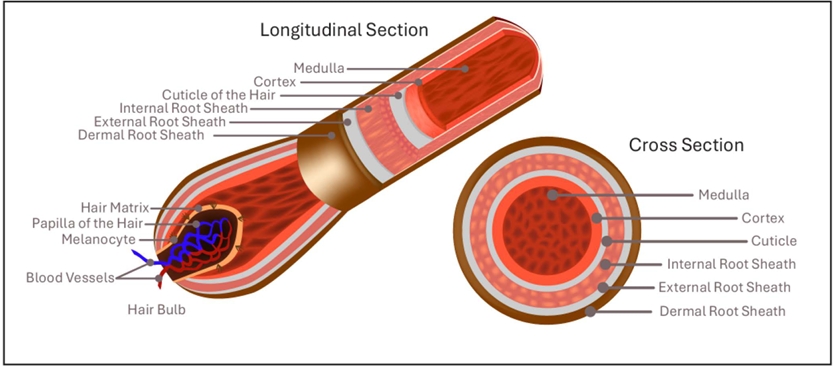
Figure 1 Anatomical Structure of a Human Fair Follicle
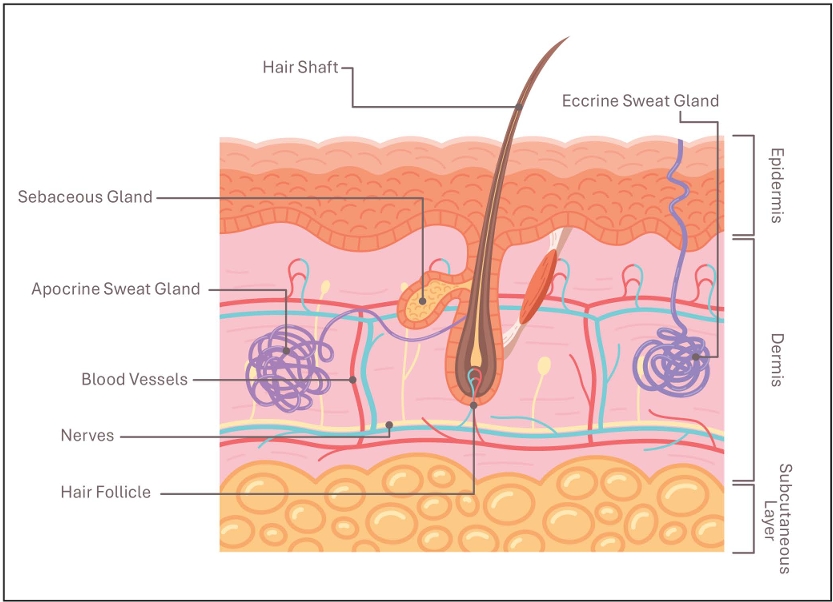
Figure 2 Cross Section Hair Follicle And Vessels
The follicle is surrounded by two sheaths – an inner and outer sheath. These sheaths protect and mold the
growing hair shaft. The inner sheath follows the hair shaft and ends below the opening of a sebaceous (oil)
gland, and sometimes an apocrine (scent) gland as shown in figure 2. The outer sheath continues all the
way up to the gland. A muscle called the erector pili muscle attaches below the gland to a fibrous layer
around the outer sheath. When this muscle contracts, it causes the hair to stand up (goose bumps).
The sebaceous gland is important, since it produces sebum as a natural conditioner. More sebum is
produced after puberty. The hair shaft is composed of hard protein called keratin, without actual living
cells. The production of this tissue decreases in men, but not as much in women. The hair’s structure is
divided into three layers:
- The inner layer is called “medulla” and may not be present.
- The next layer is the “cortex” and the outer layer is the “cuticle”.
The cortex layer makes up the majority of the hair shaft. The cuticle is formed by tightly packed scales in an
overlapping Structure, similar to roof shingles. Most hair conditioning products attempt to affect the cuticle.
There is a pigment called melanin, that is distributed throughout the cortex and medulla giving the hair its
characteristic color. The more melanin, the darker the hair’s color appears. The hair is a non-living
integumentary structure. It has an ectodermal origin the same as the skin, the connective tissue and the
nervous tissue, that includes the brain, spine cranial and spinal nerves. The hair and bulbs have a sensory
Structure that is connected to the erector pili muscle, the smallest muscles in the body, which contraction
allows the hair to rise. (Embryology of the Integumentary system (2016) https://embryology.med.un-
sw.edu.au/embryology/index.php/lntegumentary_ System_ Development)
The hair follicle is in contact with the dermis and it has living cells such as melanocytes, keratinocytes and
fibroblasts. All these cells contain DNA in their nucleus. The hair is made of a structural protein called
keratin and its color is due to a protein called melanin. (YasuyukiAmoh, Lingna Li, Kensei Katsuoka, Robert
M Hoffman Embryonic development Of hair follicle pluripotent stem (hfPS) cells. Med MOI Morphol: 2010,43(2);123-7)
The hair stores information emanating from the micro and macro environment, (https://lsda.jsc.nasa.gov/-
Experiment/exper/1517) and also can store toxins such as heavy metals, that if set free could harm the
body. The hair is regarded as a structure providing protection, acting as a waste bin, storing substances
such as byproducts Of cellular metabolism that could potentially harm the body, as well as protecting us
from the harmful effect of chemicals that are applied to the organism by means of cosmetics. (M. l.
Szynkowska, A. Pawlaczyk, E. Wojciechowska, S. Sypniewski, T. Paryjczak (2009). Human Hair as a
Biomarker in Assessing Exposure to Toxic Metals. Polish J. Of Environ. Stud. Vol. 18, NO. 6, 1151-1161)
The hair follicle contains enzymes known as aromatases and 19-hydroxylases that change male hormones
into female hormones. That is Androgens such as Testosterone into Estrogen such as Estradiol. So, the hair
plays a role in neuroendocrine regulation. The hair takes up to 80 days to surface, and go beyond the hair
shaft.
EPIGENETICS & HOMEOSTASIS OBSERVATIONS
In order to grasp the significance of the technology, it is important to refer to the terms known as
Homeostasis and Epigenetics. Epigenetics is the study Of changes in organisms caused by modification Of
the gene expression, rather than the alteration Of the genetic code itself. Epigenetics has transformed the
way we think about the consequences of genome hereditary. Homeostasis is the ability to maintain a
relatively stable internal State that persists, despite changes in the world outside. All living organisms, from
plants to puppies to people, must regulate their internal environment to process energy and ultimately
survive.
Most Of us require ’empowering nutritional food information’ in order to claim back the control over Our
bodies and our daily performance. Most humans do not understand that environmental and nutritional
factors can directly impact our performances and wellbeing. Providing this information to a client can
assist the practitioner in optimizing aspects Of the client’s life. For the clinician, it is also important to
discover the environmental impacts on the client.
Traditionally, hair shaft analysis has been utilized in forensics and environmental toxicology, as a tool to
detect heavy metal toxicity and to trace certain contaminants that build overtime, which may no longer be
present in body fluids such as blood and urine. The forensic technique Of hair analysis has been assessing
a grid Of different characteristics Of hair, by comparative analysis between a known and unknown hair
sample in order to establish a link. For example it compares hair found at the scene of a crime with samples
taken from the suspect. Electron microscope were used until recentley, for forensic hair analysis. However
light field microscopy is more Often used to determine the color and to differ between animal and human
hair. DNA analysis is also used and mass spectrum analyses (spectroscopy) to determine other elements
contained.
The S-Drive technology however, relies on hair & bulb resonance information, combined with remote
computer calculations, in order to reveal challenges that the underlying systems Of the body have been
experiencing over time. The technology provides a personalized, real-time overview Of the underlying
metabolic conditions, which determine wellness and wellbeing. This is achieved by digitizing the
information found in four strands Of hair and hair bulbs. The hair and bulb follicles have proven to be
effective biomarkers, as they accumulate information from Homeostasis and epigenetic over time. This
reflects a variety of underlying metabolic processes, often before the expression of a symptom.
Many scientists believe that computerized informational medicine has become possible due, in part, to the
increasing understanding Of Homeostasis and epigenetic environmental information (Example, EU funded
EPIGENAIR Report https://cordis.europa.eu/article/id/190791-air-pollution-on-epigenetics report); along
with its reciprocal interaction within the bio-field and cellular body. The hair and bulb information is
recognized by leading institutions, for instance The National Academy Of Sciences published a report on
the Stable Isotopes in hair, which reveal dietary protein sources with links to socioeconomic status and
wellbeing. https://www.pnas.org/content/117/33/2004.
The Homeostasis and epigenetic information can be reflected and analyzed using scanners,
computer-based evaluation programming and Ai technology. The speed of computing technology,
combined with remote servers, provides an effective operating platform.
Emotions play a major role on Homeostasis and Epigenetics, since emotions are energies which are
constantly moving and thus changing. The word emotion is an acronym that means ‘energy in motion’ that
is energy that needs to move. We express emotion as feelings but feelings are not emotions, they are a way
of expressing our state of being at any given time. Emotion is the energy that drives our thoughts so that
they can materialize and thus express themselves, as well as a simple thought triggers an emotion capable
Of changing our entire physiology. Therefore, Homeostasis and Epigenetic influencers are a non-linear
informational systems.
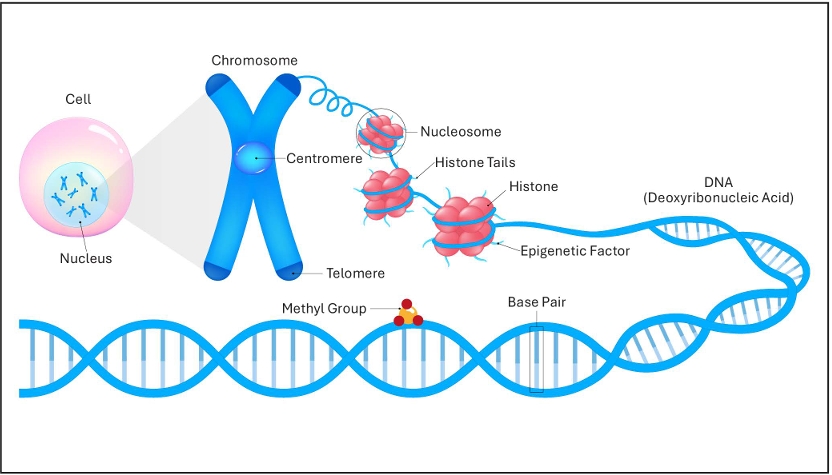
Figure 3 Fundamental Mechanisms of Epigenetics
Strands Of hair with their bulbs contain a wide range Of historic Homeostasis and Epigenetic information
concerning the metabolic parameters such as: amino acid demands, vitamins and mineral stresses,
omega fatty acids requirements, sensitivities due to certain foods or the exposure to electromagnetic
frequency (EMF) and extremely low electromagnetic frequencies (ELF), or ttoxic loads from the
environment. These Homeostasis and Epigenetic markers can be used to highlight disharmony within the
human body. Cellular and energetic stressors. *Note, disharmony may result in the establishment of
chronic degeneration, caused by microbiological opportunism due to bacterial, fungal and parasitic
infestations and environmental toxins, including heavy metal toxicity.
Every human being is genetically unique, despite the fact that we share the same DNA structure – 99.9% of
the basic humanoid construction plan. Yet, the difference of the 0.1% is what gives each individual human
such a variety Of physical features and diversity Of life forms. This uniqueness is found in Our own
Epigenetic and Homeostasis information system – and it is designated to be expressed and activated
through encounters with environmental factors. Genetic coding is part of the DNA phenomenon, however
gene expressions are largely influenced by environmental, nutritional input, toxins, emotions and life
circumstances. Epigenetics mapping reflects these influences which can impact gene expression;
meaning the sum of all influences after the genetical conception.
Epigenetic and Homeostasis mapping is gaining importance and scientific attention exponentially. This is
of significant value, as the signal from the modern environment regulates gene expression at a much higher
rate than the environment influenced our forebears.
Obviously genes do not generally control Biology; it is their combination of cell signaling that does this.
Thus, these signals can be looked at to depict the epigenetic and Homeostasis state of an individual at a
given time. Based on the digitized information gathered by the S-Drive a bio-informational map is
generated, which allows the practitioner to design a protocol for the client. The report information assists
the practitioner in developing protocols to improve the biochemical and biophysical parameters of the
client’s State Of wellness. This may include advice on nutrition and life style changes, the reduction Of
toxicity, particularly liver toxicity. The report also provides suggestions on decreasing the heavy metal load
and controlling of electromagnetic sensitivities.
OVERVIEW OF THE OBSERVATIONAL INFORMATION
The human body is composed of trillions of cells. Each cell has its own genome represented by DNA and
genes, which are packed in 44 autosomes and 2 sexual chromosomes. The human genome is made Of
25,000 genes and over 150,000 proteins.
The Genome does not answer every question Of wellbeing as it is thought that 98% Of gene expression is
dictated by the epigenome. This suggests that only 2% Of the human genomic expression is under the
influence of the genotype. Coding Genes make up 2 to 3% of the entire DNA, the rest is referred to as
non-coding DNA, and that accounts for up to 98% Of our physical self. The observational value Of
Homeostasis and Epigenetic information is therefore important.
Homeostasis and Epigenetic information includes the experiences Of our ancestors, our current diets and
lifestyles, as well as our thoughts and beliefs. Beliefs and thoughts have a direct effect in our emotions,
mediated by the synthesis of neuropeptides from the enteric nervous system. Thus they exhibit a direct
impact on our physiology such as the so called placebo effect (epigenetics in action). There is also the
nocebo effect.
Homeostasis and Epigenetic observations include the study Of gene expression under the influence Of
informational signals emanating from the micro and the macro environment. In this modeling, the
phenotype changes but the genotype remains the same, due to methylations of the histones.
Homodynamic and epigenetic mechanisms are affected by several factors and processes including
development in utero and in childhood, environmental chemicals, drugs and pharmaceuticals, aging and
diet. DNA methylation is what occurs when methyl groups, and epigenetic factors found in some dietary
sources, can tag DNA and activate or repress genes.
Another way to look at Genetics is that the genes read the environmental factors via messenger ribonucleic
acid (mRNA), resulting in the synthesis Of proteins which are directly related to the epigenome (Doerfler
Walter and Petra Böhrn Springer eds. 145-175. ISBN: 978-3-319-27186-6. 2016). The proteins responsible
for epigenetics are histones and chromatin, from which chromosomes and autosomes are formed. The
non-coded DNA is what is commonly referred to as “Junk DNA”, and its amount varies from specie to
specie. In the human being there is up to 98% non-coding DNA or epigenetics. (Carey N (2015) Junk DNA: A
Journey Through the Dark Matter ofthe Genome. Icon Books Ltd. Chapter 3. ISBN: 978-184831-826-7)
Humans can no longer be considered as mechanical machines, controlled by genetic inheritance, the
genotype. Observational Homeostasis and epigenetic information provides information to allow each
human to take control of their own wellbeing. We now understand how to influence our ‘epigenomic
environment’, in order to improve the impact Of physical, mental and emotional issues. Homeostasis and
epigenetic informational knowledge empowers clinicians and clients.
The observations provide instant access to nutritional knowledge and key nutritional factors, which can be
used to bring about optimization, using diet nutritional and lifestyle changes to bring about optimal gene
expression. The changes are intended to stimulate positive and relevant gene expression. The life style
suggestions can impact the system to promote physiological efficiency and metabolic efficacy.
OVERVIEW OF THE TECHNOLOGY
The S-Drive is a peripheral computer device, designed to digitize the data found in the hair bulb follicle
through the processing Of the S-Drive. The gathered information is then encrypted, before being securely
sent through an internet connection, to an encrypted server at the informational center located in
Hamburg, Germany. Here the data is decoded, translated and scrutinized through an array of logarithms
connected to an Ai processor, which then generates the completed commentary data pack. This
personalized commentary data pack is returned securely through a seperate server, linked to the
practitioner’s S-Drive . The practitioner’s S-Drive program unpacks the data and creates the personalized
PDF report. The S-Drive program also then adds the client’s name and the practitioner’s details.
The multi-page report can be viewed, printed Or forwarded as an email attachment to the client. The wide
rangingobservational reports provides the practitioner with additional underlyingobservations, to assist in
decision making and determining supplementary protocols, in order to optimize the state of wellness and
wellbeing Of the client.
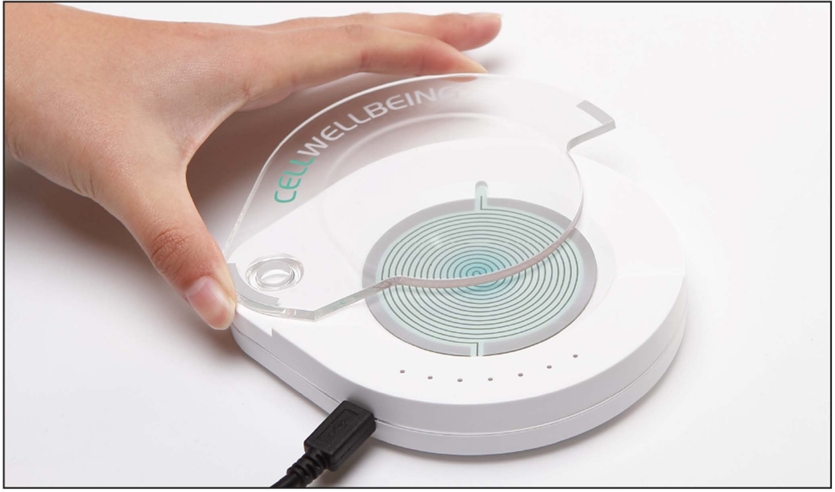
Figure 4 S-Drive peripheral Computer Device
The technology was developed in order to optimize the wellbeing Of the human body, as many Of us are
living in a sub-optimal functional State and more than Often, well below our genetic and chronological
potential. Intrinsically, poor functional genomic expressions are reflections of the life styles andenvironmental factors that we are exposed to.
The environment, our nutritional food intake, mental and emotional states play a major role in gene
expression. Consequently, epigenetic influencers play a major role in our wellbeing.
The S-Drive process has been safety assessed and certified to electrical standards CE-(EU)ROHS Directive
2011/65(EU), FCC (IJSA)and ETL/UL(USA) and Canada, equal to those used for laboratory equipment, and
does not emit any frequencies. CWB is also compliant with FDA rulings.
Initially, the operator connects the S-Drive to their own computer through a USB cable and opens the CWB
program, which generates a client information template. The client’s personal information including name,
address, gender and date of birth are entered into the client template, as shown in figure 5. After the client
information has been entered, four strands Of hair along with their bulbs are plucked from the occipital area
of the scull and placed onto the spectrum coil, which is in the center Of the S-Drive as shown in figure 4.
The client’s personal information is not sent to the center in Germany; the center only receives the first two
letters Of the first name, year Of birth and gender. The client personal details are only stored on the
practitioner’s computer linked to the S-Drive.

Figure 5 S-Drive Software Client Template
CLINICAL CASE
This clinical case is of a 42 year old female with no previous history of severe illness. She had an accident
10 years ago and broke her left arm in three pieces. A prosthesis had to be placed between her humorous
and the cubital bone. A month ago, she had a fall and hit her left arm again. This time the prosthesis
became loose and a staphylococcus aureus infection developed in her upper left arm. She experienced
excruciating pain and was admitted to a private hospital where she has been treated. An operation seems
to be the only way to reattach the prosthesis. However, due to the inflammation and infection that was not
possible. She was given morphine to keep the pain under control and intravenous Vancomycin and
Imipenem to control the infection. Subsequently a S-Drive mapping process was performed. The summary
of her key indicators is shown in table 3.
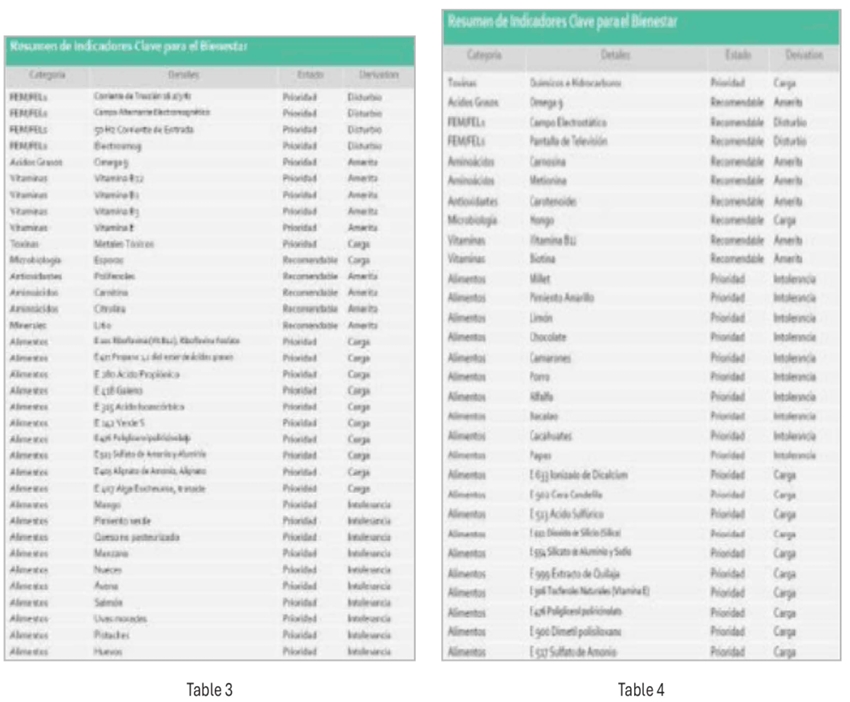
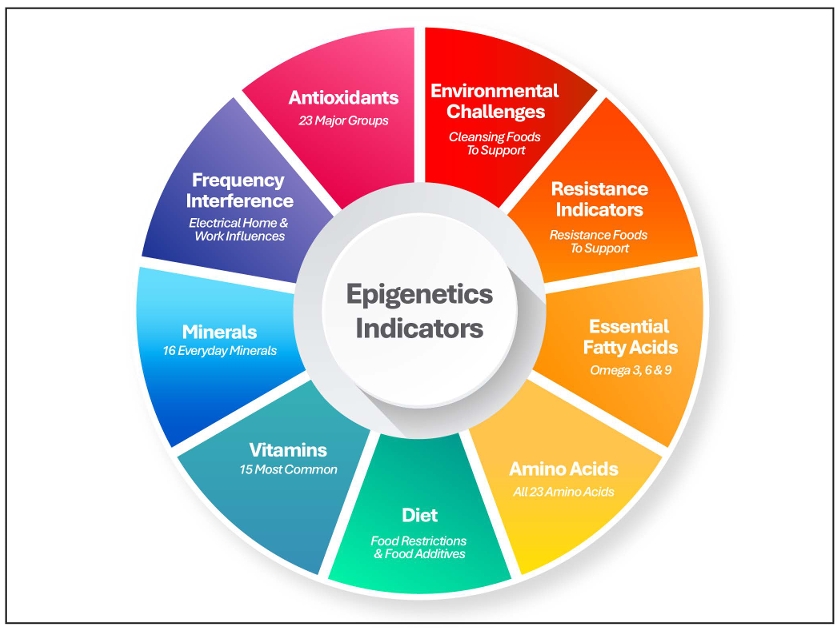
Figure 6 The 9 Environmental & Nutritional Epigenetic Indicator Chart
Table 3. Highlights the summary of metabolic and environmental key factor indicators. An infection caused
by a fungus is highlighted, which does not match with the results from the swabs taken on presentation.
What is interesting about this case is that despite being tested positive for Staphylococcus aureus (golden
staph), the S-Drive report showed that the emphasis was a fungal infection, which was stronger than the
bacterial signature.
After the appropriate fungal protocols were followed, another report was created using the S-Drive. The
results are shown in Table 4 (summary of metabolic and environmental key factor indicators after
treatment). She was deficient in Vitamin 312, which plays a major role in the biosynthesis Of nucleic acids,
DNA, protein and blood cells, the maintenance Of the bone marrow, the gut mucosa, epithelial cells and
lipids, the myelination of nerve and brain fibers. Vitamin B12 synergizes with vitamin A, Bl , B5, C , E, biotin,
calcium, cooper folate, iron, methionine, phosphate.
After the appropriate fungal protocols were followed, another report was created using the S-Drive. The
results are Shown in Table 4 (summary Of metabolic and environmental key factor indicators after
treatment). She was deficient in Vitamin B12, which plays a major role in the biosynthesis of nucleic acids,
DNA, protein and blood cells, the maintenance Of the bone marrow, the gut mucosa, epithelial cells and
lipids, the myelination Of nerve and brain fibers. Vitamin 812 synergizes with vitamin A, 31, 85, C , E, biotin,
calcium, cooper folate, iron, methionine, phosphate.
As shown in table 4, she had a deficiency of vitamin Bl (Thiamin). It is a water soluble vitamin used in many
different body functions. Deficiencies hereof may have far reaching effects on the body, yet very little of this
vitamin is stored in the body and a depletion Of this vitamin can happen within 14 days. Thiamin may
enhance circulation, helps with blood formation and the metabolism Of carbohydrates. It is also required
for the health of the nervous system and is used in the biosynthesis of a number of cell constituents,
including the neurotransmitter acetylcholine and gamma-amino butyric acid (GABA). This is exactly what
this client needed in order to improve her arm by removing the inflammation and the infection. The pain
subsided dramatically as she started taking a supplement containing the vitamins that she was lacking.
She was asked to consider eating food prepared at home which contain the vitamins she was lacking— such
as Vitamin 312, Vitamin 81, Vitamin 33 and Vitamin E. A lentils peas and brown rice are a good natural
source of these vitamins. So she started on having meals prepared at home.
Niacin or vitamin B3 functions in the release Of energy from carbohydrates, fats and proteins. Niacin is also
involved in the synthesis of protein, fat and pentose needed for nucleic acid formation. Niacin is a major
constituent Of the coenzyme nicotinamide adenine dinucleotide (NAD) and nicotinamide adenine
dinucleotide phosphate (NADP). These compounds function to remove hydrogen atoms during biological
reactions. Niacin functions as a component of the coenzymes nicotinamide adenine dinucleotide (NAD)
and nicotinamide adenine dinucleotide phosphate (NADP).
These enzymes are involved in respiration, where they act as hydrogen acceptors. They are essential in the
reactions involved in the release Of energy from carbohydrates, fats and proteins.
Following the information gained from using the S-Drive report, she has improved significantly since being
admitted to hospital. The pain, inflammation and the infection have subsided dramatically. The physicians
that have been taking care Of her case are quite amazed Of the speedy recovery. The prosthesis has
reattached itself and it looks like she has been discharged from hospital.